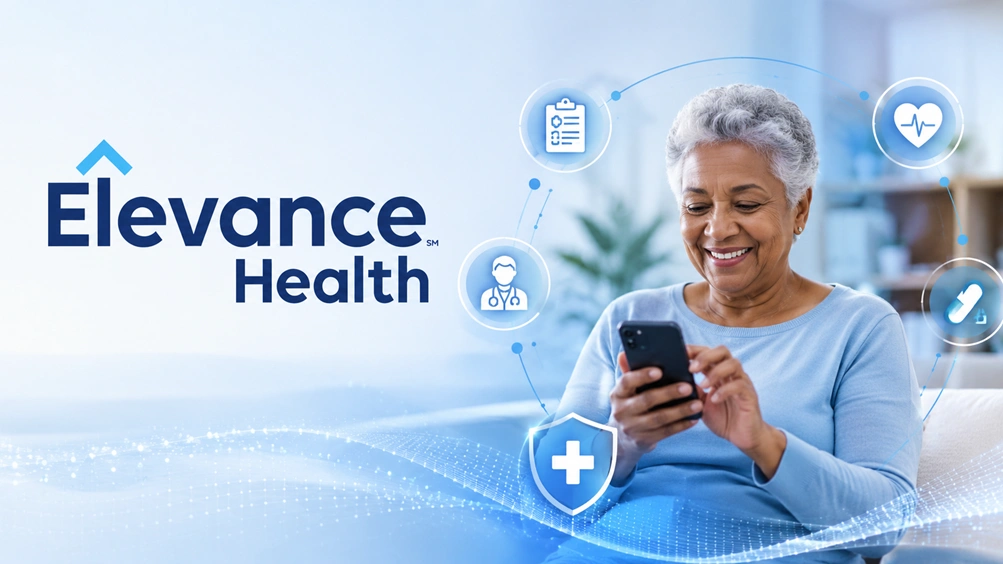
Elevance Health is advancing its commitment to medical equity by launching programs that bridge the Healthcare Digital Divide. Millions of Americans currently lack reliable internet access, proper devices, or the necessary digital literacy to engage in their healthcare. To solve this issue, the company is embedding digital access directly into its care experience. This nationwide effort ensures that individuals in underserved communities get the tools and connectivity they need to manage their wellness.
“Consumer experience is about meeting people where they are and simplifying their healthcare journey,” said Saurabh Tandon, Chief Experience Officer at Elevance Health. “By expanding access to digital tools and services, we are helping remove barriers that can prevent individuals from getting the care they need.”
The broader consumer experience strategy focuses on making healthcare easier to navigate for members and families. By reducing confusion and saving time, the company empowers individuals to take control of their health. Research shows that many lower-income individuals lack broadband access and rely solely on smartphones. Without reliable access, scheduling appointments and communicating with providers becomes difficult.
Free Connectivity Overcomes Healthcare Digital Divide Barriers
The Get Connected for Health initiative of the company successfully overcomes such obstacles to connectivity. All eligible members get a top-of-the-line smartphone with all necessary virtual health applications, free of charge. This package includes unlimited data, talk, and text service alongside telehealth apps. Moreover, the program includes training for increasing digital literacy. Partnerships with major telecom companies make it possible for the program to be available to hundreds of thousands of members in different states.
Additionally, Elevance Health’s subsidiary, CareBridge, supports individuals enrolled in Medicaid and Dual-Special Needs Plans. CareBridge distributes easy-to-use, cellular-enabled tablets that connect patients directly to their care teams.
Patients can access virtual care services 24 hours a day, seven days a week, using video, chat, or text. The platform removes language barriers because CareBridge clinicians collectively speak 19 languages and support more than 300 additional languages. Early program results show increased adoption of digital tools and improved patient engagement.
“As healthcare continues to evolve, digital access will play an increasingly central role in outcomes and experience,” Tandon added. “Our goal is to make sure no one is left behind.”
Explore Health Tech Insiders for the latest medical innovations and reliable strategic insights driving the future of technology-driven healthcare transformation.
News Source: Businesswire.com