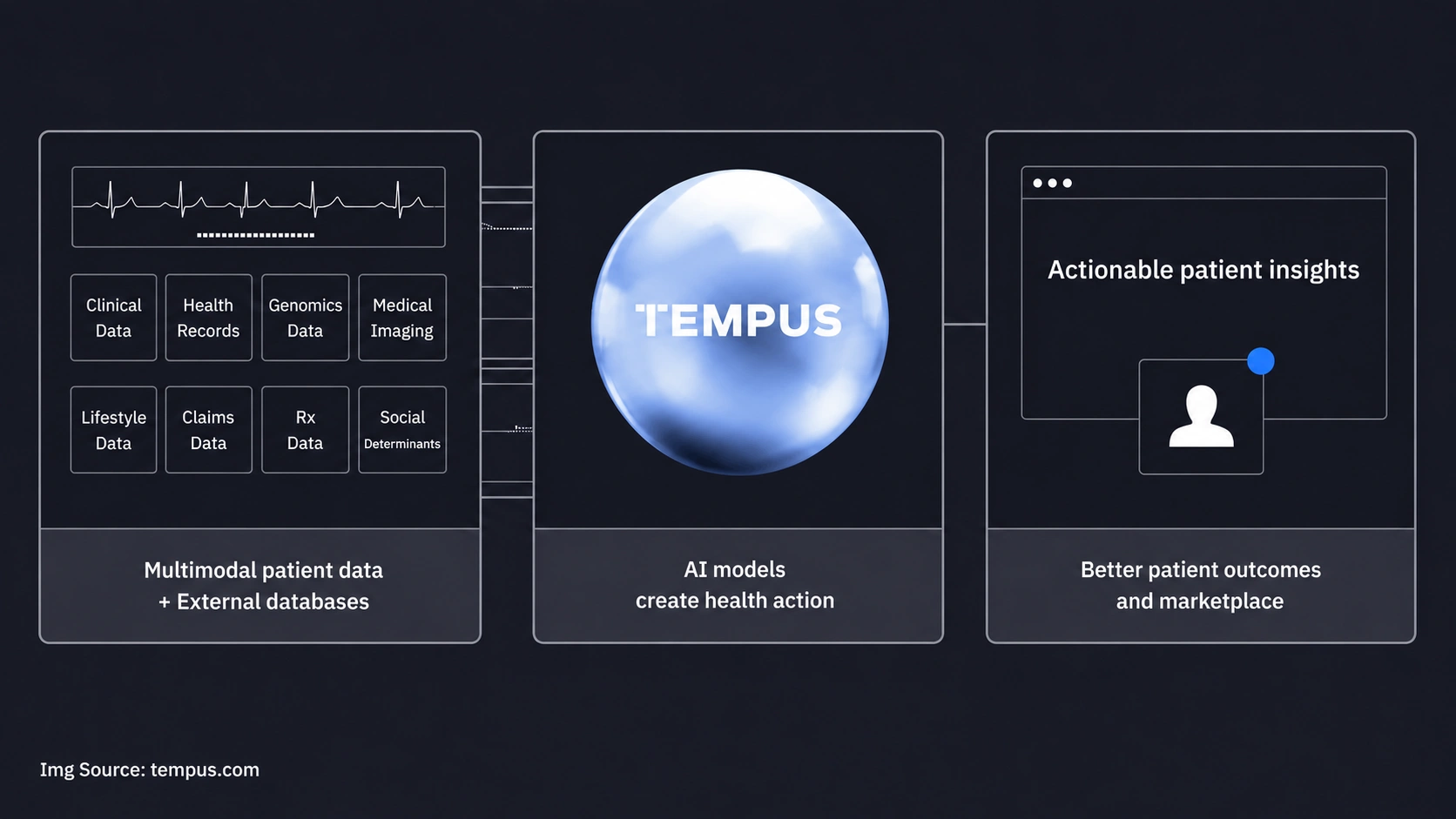
Tempus AI has validated its atrial fibrillation risk prediction software through a multi-site clinical study. The atrial fibrillation risk prediction technology received FDA clearance in 2024. Also, the atrial fibrillation risk prediction model demonstrated strong performance across multiple healthcare settings. Tempus AI, a technology company focused on advancing precision medicine through artificial intelligence, announced the publication of a successful multi-center validation study for its ECG-AF software. The study, titled “Multi-Center Validation of an Artificial Intelligence-Enabled ECG Model to Predict 1-Year Risk of Atrial Fibrillation or Flutter,” was recently published in Heart Rhythm. Atrial fibrillation, commonly known as AF, remains the most common cardiac arrhythmia worldwide. Furthermore, the condition increases the risk of stroke, heart failure, and death. But, AF often occurs without symptoms and may appear intermittently. As a result, clinicians can face challenges in identifying affected patients early.
Artificial intelligence applied to electrocardiogram interpretation offers a promising solution. Hence, healthcare providers can potentially improve diagnosis and risk assessment. The study evaluated Tempus ECG-AF software across three geographically diverse clinical sites. Researchers aggregated ECG data and manually reviewed patient records to identify eligible participants. The study included patients aged 65 years and older. Participants had no previous diagnosis of atrial fibrillation and no history of pacemaker or defibrillator use. Researchers defined study endpoints as either a new AF diagnosis within one year or one year of AF-free follow-up. In total, the analysis included 4,017 patients. The ECG-AI-generated risk score exceeded pre-specified performance thresholds. Consequently, the study findings supported the FDA clearance of Tempus ECG-AF technology.
“This study marks an important step toward shifting cardiac care from late-stage intervention to early risk detection,” said Brandon Fornwalt, MD, PhD, SVP of Cardiology at Tempus and a coauthor of the study. “The ability of our AI model to consistently predict atrial fibrillation across varied clinical environments highlights its potential as a dependable decision-support tool. We believe this will enable clinicians to surface hidden risks sooner, opening the door to earlier, more targeted diagnosis and care to help minimize serious complications such as stroke and heart failure.”
AI-Powered ECG Technology Supports Early Cardiac Risk Detection
Tempus ECG-AF became the first FDA-cleared ECG-AI device within the company’s expanding cardiovascular technology portfolio. The solution aims to help identify patients who may face an elevated risk of cardiovascular conditions before symptoms appear. Tempus ECG-AF analyzes recordings from standard 12-lead ECG devices. The software detects patterns associated with atrial fibrillation or atrial flutter that may occur within the following 12 months. The technology is intended for resting 12-lead ECG recordings collected in healthcare facilities. Eligible patients must be at least 65 years old. In addition, they must not have documented atrial fibrillation or atrial flutter. Patients with pacemakers, implantable cardioverter defibrillators, or recent cardiac surgery are not included within the intended use population.
The company emphasized that the software analyzes ECG data only. Therefore, clinicians should interpret results alongside diagnostic tests, symptoms, clinical history, and original ECG recordings. The technology does not help in a complete assessment of a patient’s overall AF risk. Also, healthcare providers should not be dependent on the results for diagnosis or treatment decisions. The software is also not intended to rule out atrial fibrillation or replace clinical follow-up.
By combining artificial intelligence with cardiac diagnostics, Tempus AI continues to expand its precision medicine capabilities. The latest validation study highlights the growing role of AI-powered healthcare technology in supporting earlier detection and more informed cardiovascular care decisions.
Explore Health Tech Insiders for the latest medical innovations and reliable strategic insights driving the future of technology-driven healthcare transformation.
News Source: Businesswire.com