

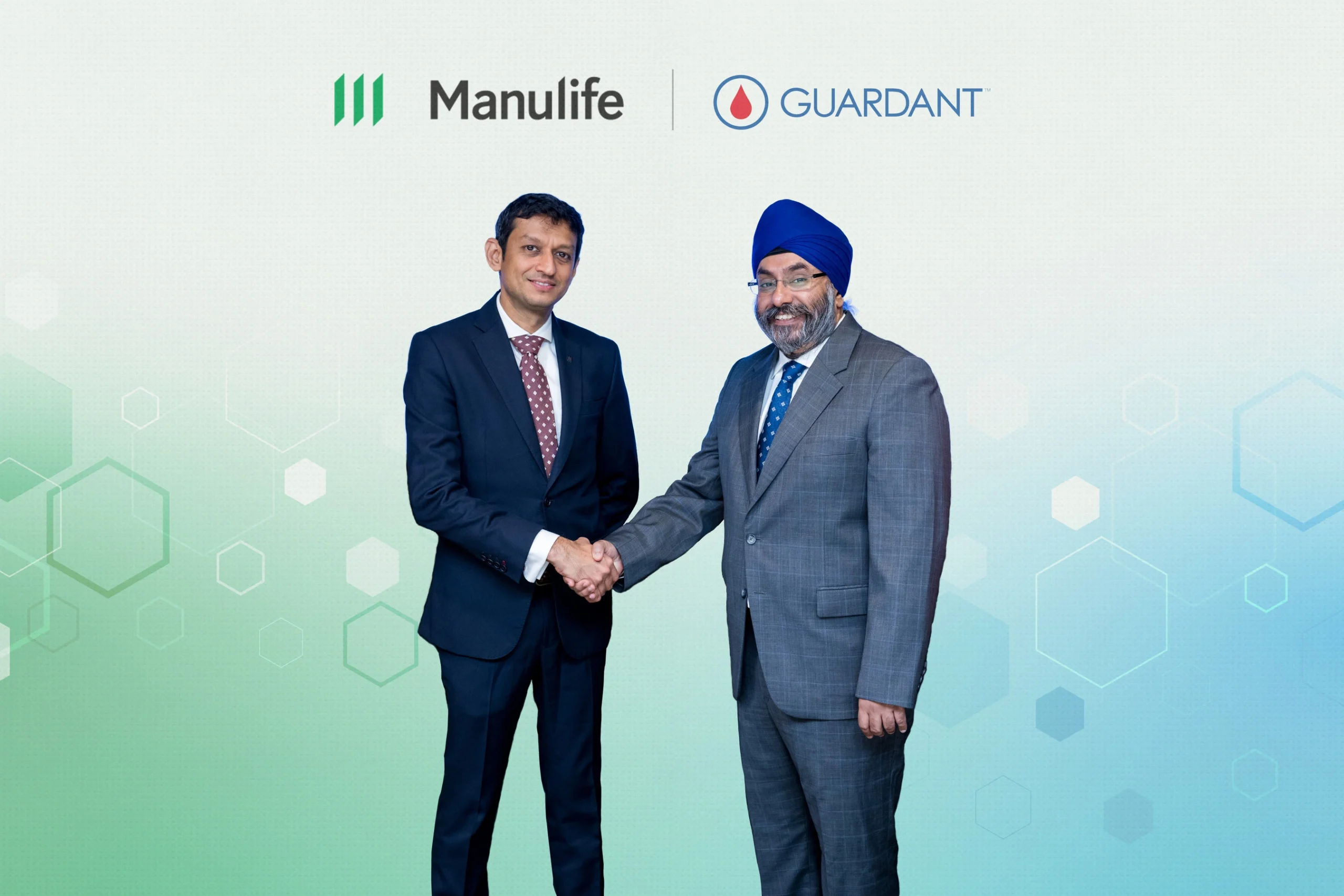
Manulife Guardant Health partnership marks a major step in cancer screening innovation across Asia. Manulife announced an exclusive collaboration with Guardant Health, Inc. to introduce the Shield Multi-Cancer Detection Test to customers. Through the Manulife Guardant Health partnership, Manulife becomes the first insurer in Asia to provide the Shield MCD test. The rollout will initially cover Hong Kong, Singapore, and the Philippines. Moreover, customers in these three markets will gain exclusive access during the 2026 launch phase. This move also represents the first introduction of the innovative screening solution in Asia for Manulife customers.
The Shield Multi-Cancer Detection Test uses a blood-based screening method. With a simple blood draw, the test screens for 10 common cancers. Many of these cancers also show high mortality rates across Asia. Therefore, the Manulife Guardant Health partnership aims to improve early cancer detection. Early diagnosis often increases treatment success and survival rates.
“By being the first insurer in Asia to offer the Shield MCD test, we’re empowering our customers with a credible and valued service that encourages proactive health management”, said Steve Finch, President and CEO of Manulife Asia. “This exclusive partnership demonstrates our commitment to offering innovative and differentiated solutions to improve the health outcomes of our customers.”
Notably, cancer remains one of the leading causes of death across Asia. According to The Cancer Atlas, several cancers in the region carry high mortality risks. As a result, early screening solutions remain critical for public health. The Shield Multi-Cancer Detection Test also received Breakthrough Device Designation from the U.S. Food and Drug Administration in June 2025. This designation highlights the potential of the technology to address significant health needs.
Expanding Preventive Healthcare Across Asia
The new initiative builds on an existing collaboration between the companies. In Singapore, the two organizations already provide eligible customers access to the Guardant360 liquid biopsy test. This earlier program supports screening for advanced solid tumors. Now, the expanded Manulife Guardant Health partnership aims to strengthen preventive healthcare access across Asia.
“We are excited to partner with Manulife to introduce the Shield MCD test to Asia for the first time,” said Simranjit Singh, CEO of Guardant Health AMEA. “Shield MCD has the potential to significantly lift screening rates across the region for the most prevalent cancers. This could significantly alleviate the burden of cancer across Asia by expanding access to cancer detection with just a blood draw. We look forward to the impact that this collaboration with Manulife will make in bringing this latest innovation in cancer screening to the Asian market.”
The Shield Multi-Cancer Detection Test will become available to eligible Manulife customers starting in April 2026. Additionally, Manulife plans to expand access for underserved communities. This initiative ensures more people benefit from innovative cancer detection tools.
“This commitment underscores our dedication to prioritizing health and wellbeing so people can unlock life’s potential and live fuller, more prosperous lives at any age,” said Harshal Shah, Chief Marketing Officer of Manulife Asia. “Empowering health, wealth, and longevity is central to Manulife’s ambition. Through our partnership with Guardant Health, we look forward to advancing this mission for our customers and the communities we serve.”
Additionally, the initiative aligns with the objectives of the Manulife Longevity Institute. The global platform will focus on research, innovation, and advocacy to foster healthier and longer lives. Through the Manulife Guardant Health partnership, the two companies aim to increase access to cancer screening technology. At last, the partnership will lead to better health outcomes in Asia.
Explore Health Tech Insiders for the latest medical innovations and reliable strategic insights driving the future of technology-driven healthcare transformation.
News Source: PRNewswire.com


